
By Calista Oyeoba
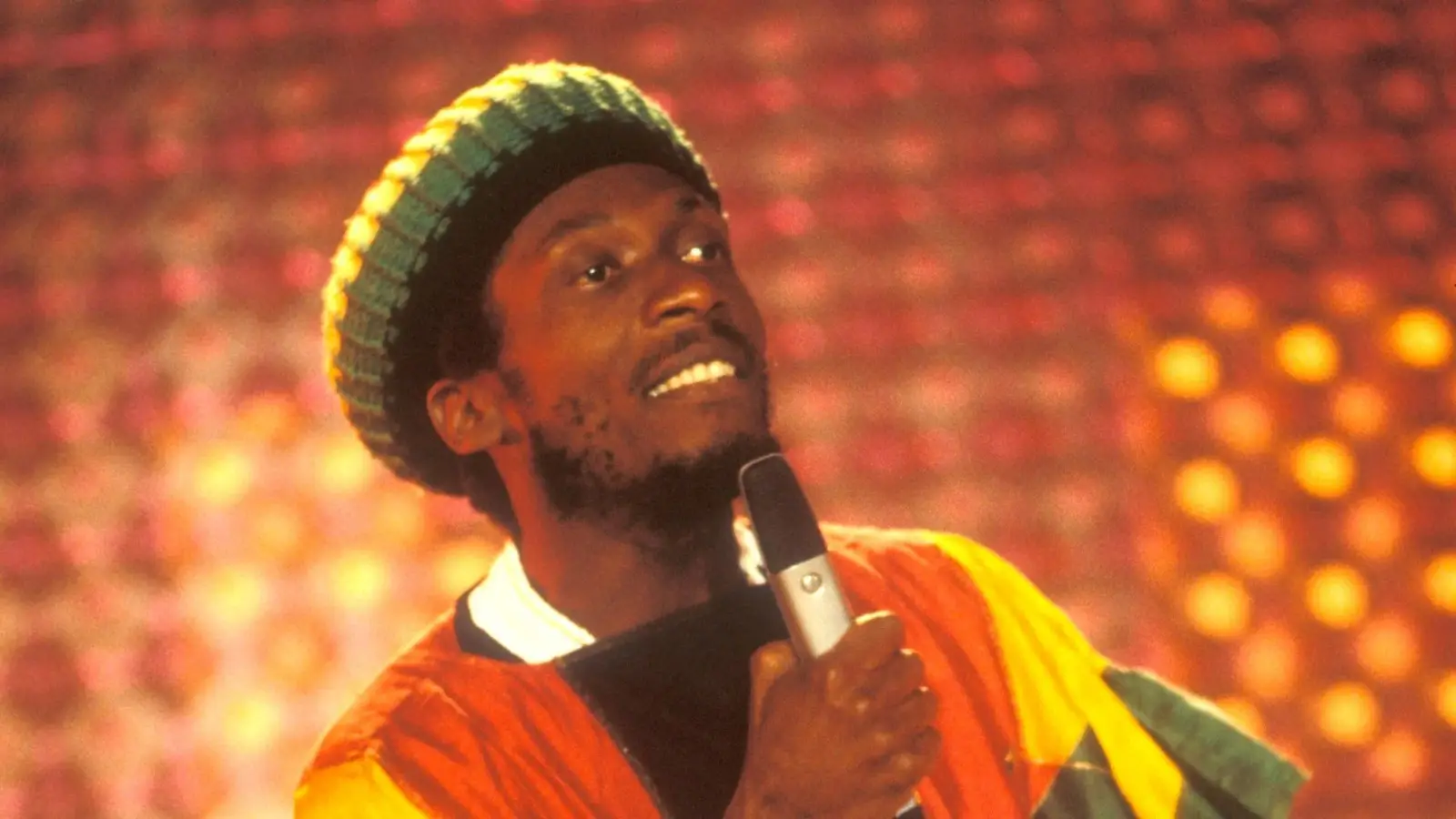
The shocking news reverberated around the world: Jimmy Cliff, the legendary Jamaican reggae singer and actor, has passed away at the age of 81. His wife, Latifa Chambers, announced on Instagram that he died “after having a seizure which triggered an uncontrollable electrical disturbance in the brain, usually resulting in behavioural changes, including movement or loss of consciousness. He later developed pneumonia, an infection of the lungs.”
In her emotional message, the bereaved wife expressed profound gratitude to family members, friends, fellow artists, and fans for the love, support, and encouragement they showed Jimmy Cliff throughout his life and career.
Many Nigerians aged 50 and above remember Jimmy Cliff for his soul-stirring music that defined the seventies and eighties. Long before pop and rock-and-roll dominated the airwaves, Nigerians had already embraced the reggae genre, drawn to its message of advocacy, social consciousness, and enlightenment. Reggae became both a solace and a soothing escape from the pressures of daily life.
According to Ibrahim Salihu, he can almost close his eyes and reconnect with the smooth, inspirational songs of Jimmy Cliff. He nostalgically recalls some of Cliff’s most beloved tracks, such as “You Can Get It If You Really Want,” “Wonderful World, Beautiful People,” and “I Can See Clearly Now.” Salihu also remembers Cliff’s unforgettable acting role in the landmark 1972 Jamaican film The Harder They Come, a movie that helped catapult reggae music onto the global stage.
Born in 1944 in Saint James, Jamaica, Cliff moved to Kingston as a teenager to pursue his musical dreams. He worked with producer Leslie Kong and soon earned hits that made him a rising star in both Jamaica and the United Kingdom. His song “Wonderful World, Beautiful People” climbed to No. 6 on the UK charts in 1969. Cliff became widely admired for blending infectious rhythms with powerful messages of peace, unity, and humanity.
Beyond his music, Cliff was celebrated as a proud ambassador of Jamaican culture. He received the Jamaican Order of Merit, one of the nation’s highest honors. Prime Minister Andrew Holness once described him as a “true cultural giant” whose body of work carried Jamaica’s story to the world.
Throughout the 1970s and 1980s, Cliff released several albums, toured internationally, and appeared on major shows including Saturday Night Live, Soul Train, and Music Xtra. He also explored his African roots and later converted to Islam. In 1994, his rendition of “I Can See Clearly Now” became a global hit once again after featuring in the popular film Cool Runnings.
Jimmy Cliff collaborated with numerous world-renowned artists, including the Rolling Stones, Sting, and Wyclef Jean. He continued to create and inspire well into his later years, releasing his final album, Refugees, in 2022.
Although he acted only occasionally after The Harder They Come, Cliff remained an enduring cultural figure, unarguably one of the few artists whose works propelled reggae to worldwide recognition.
Today, reggae lovers everywhere mourn this iconic legend whose music, message, and spirit will continue to inspire generations to come.